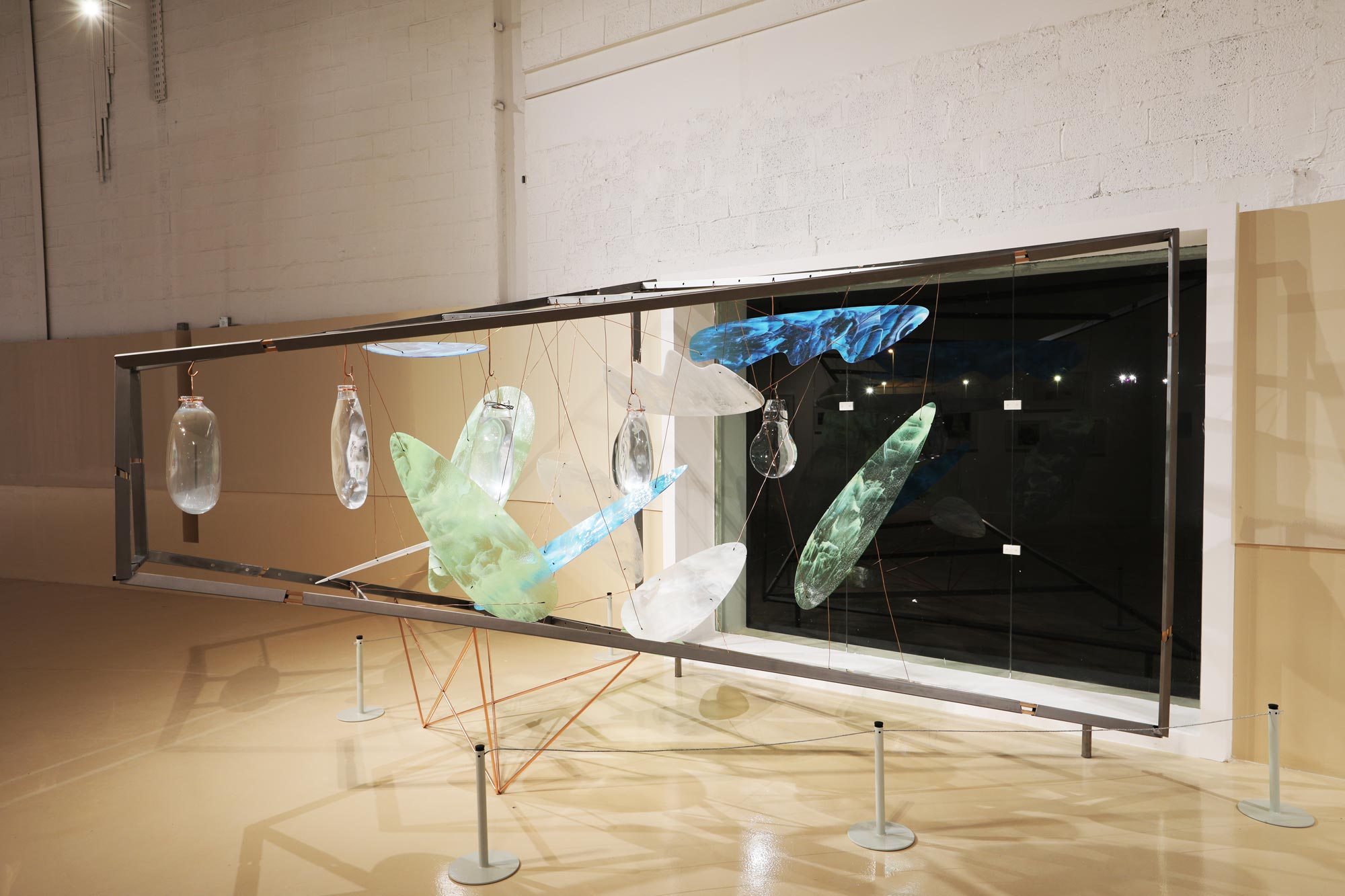
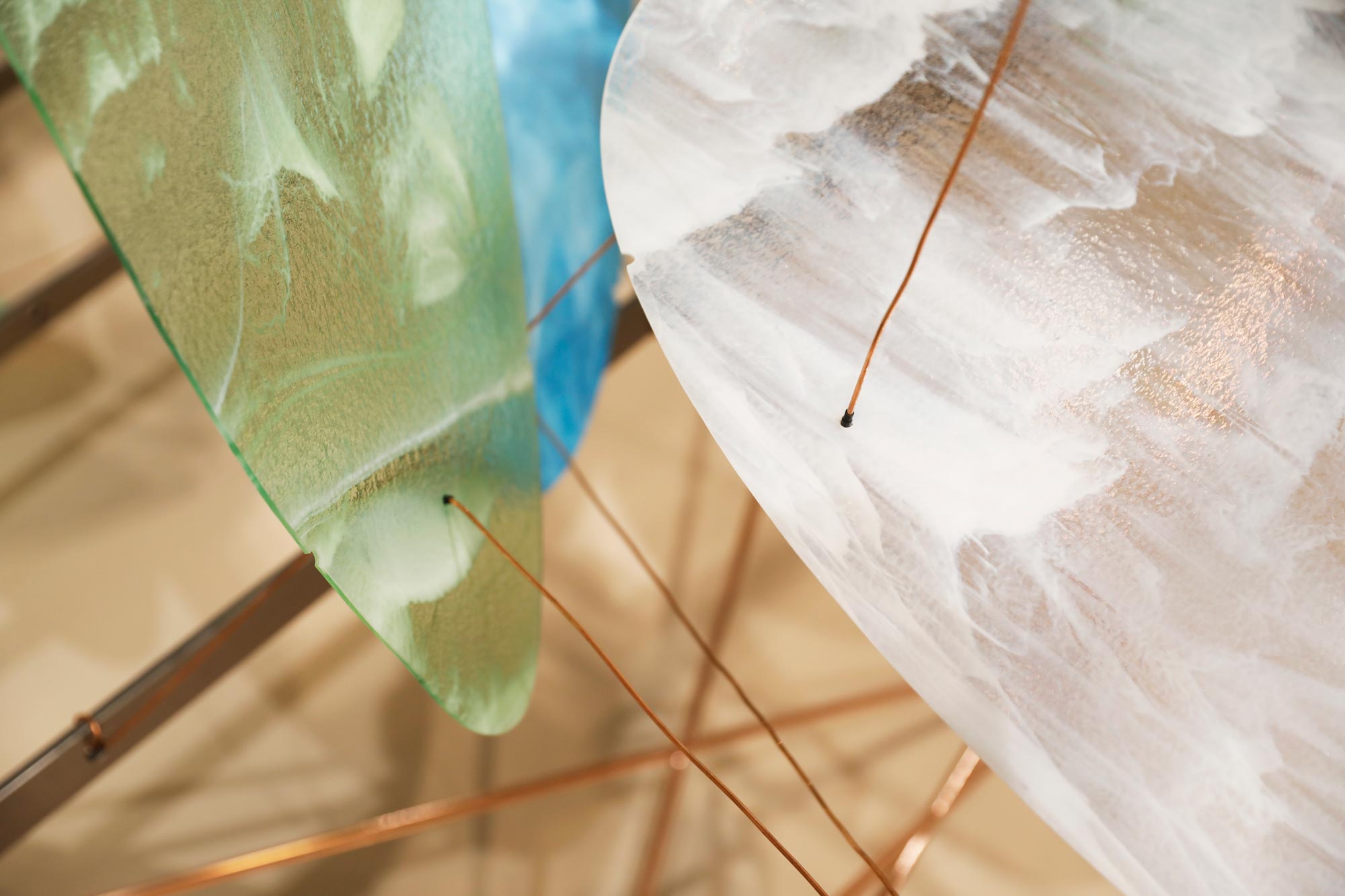


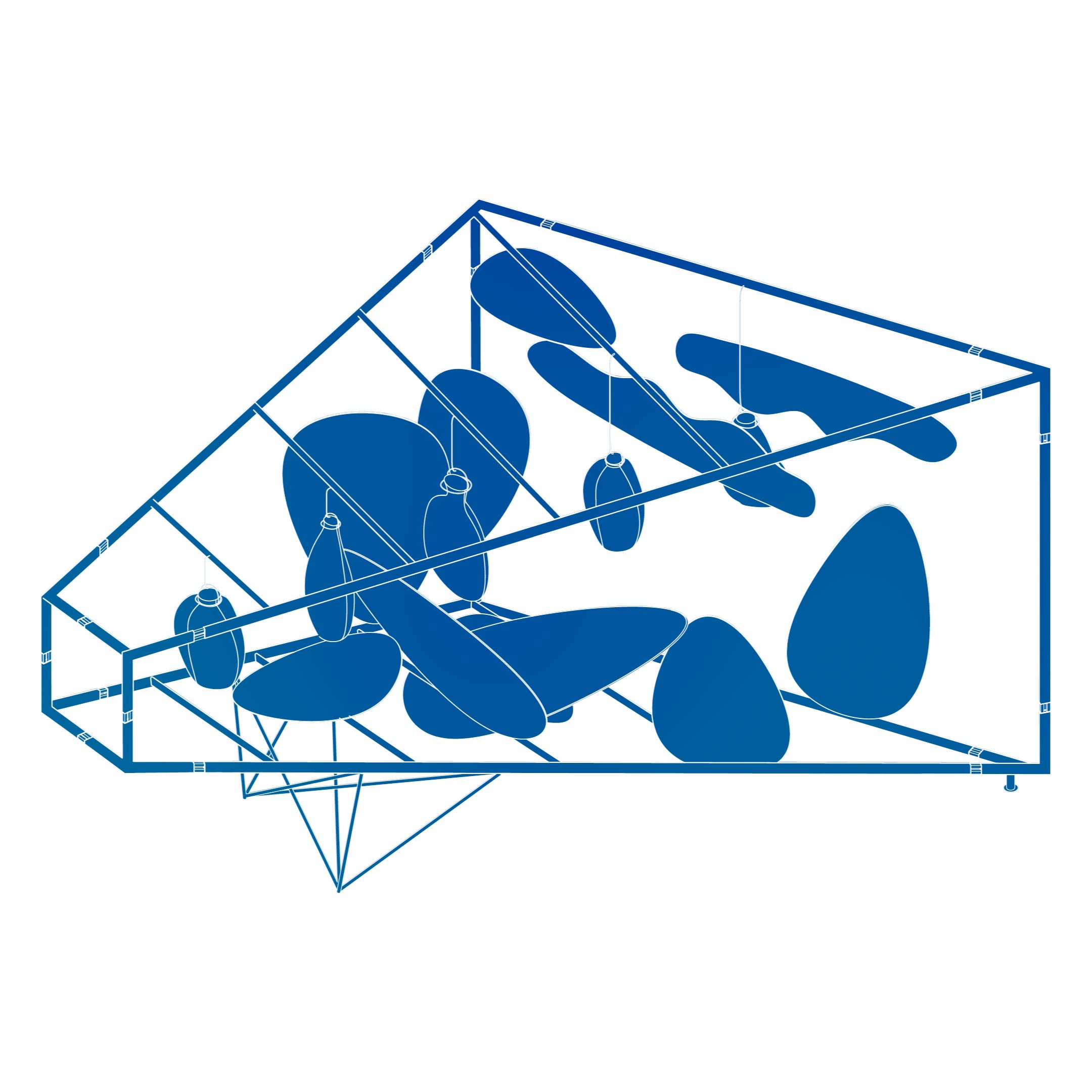
Through the Looking Glass (2021) is a collaborative installation by Bricklab an award-winning architecture studio based in Jeddah—and Mammafotogramma, a Milanese design studio known for its hybrid and mixed media practices, commissioned for the first edition of the Diriyah Biennale in Riyadh. Rooted in a shared interest in materiality and visual perception, the project takes the form of an installation that transforms the act of viewing into a sensory encounter.
Situated within Saudi Arabia’s evolving cultural landscape, the Diriyah Biennale Foundation invests in contemporary art and architecture as platforms for exchange and reflection. By fostering dialogue between global and regional voices, the Foundation provides a critical framework for Through the Looking Glass and supports its interdisciplinary and site-responsive approach.
Through the Looking Glass engages directly with the ways perception is constructed rather than passively received. Human vision is shaped by framing, distance, light, and mediation—factors that influence not only what is seen, but how meaning is formed through seeing. By foregrounding these conditions, the work invites viewers to recognize perception as an active and interpretive process.
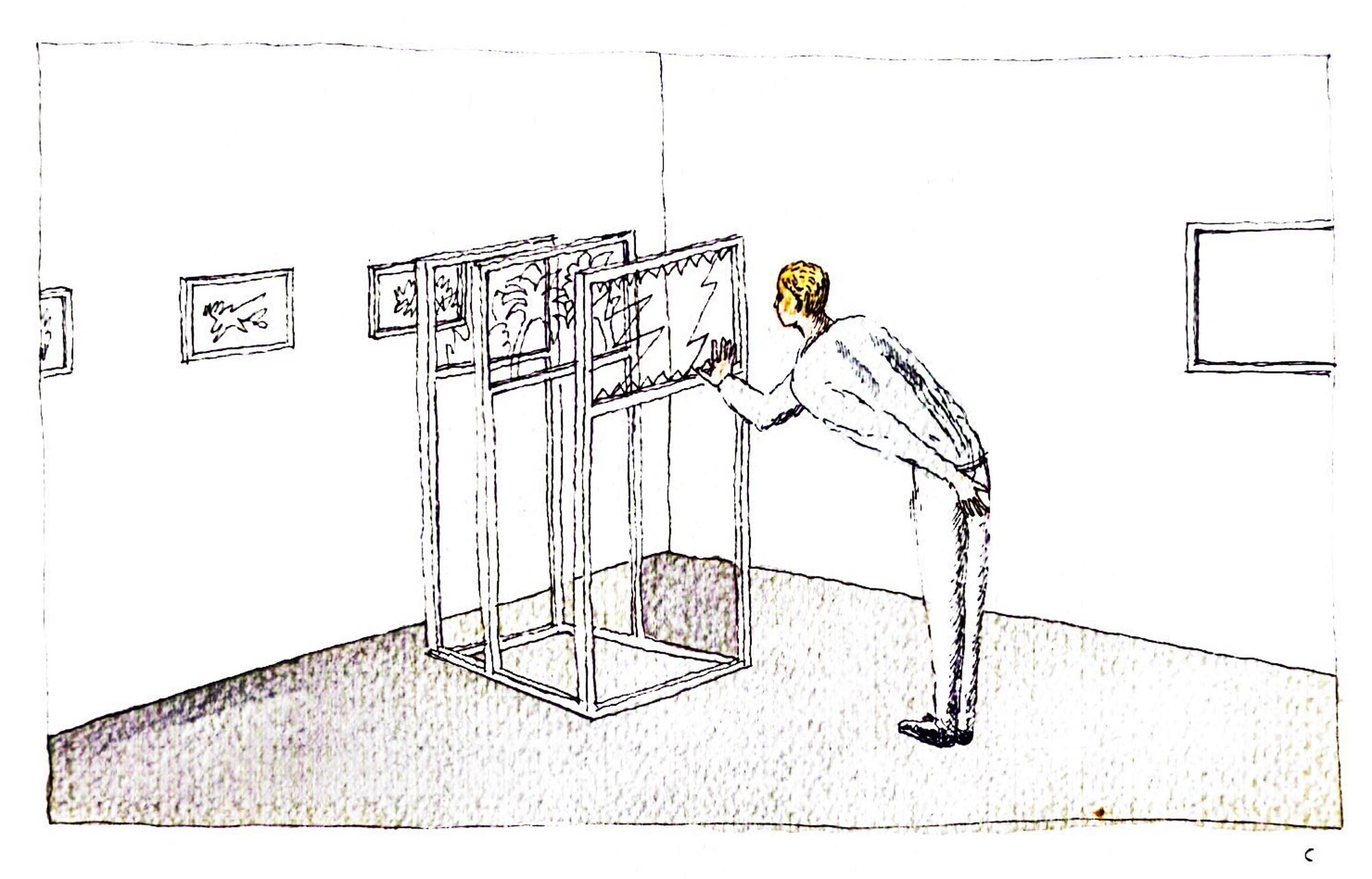
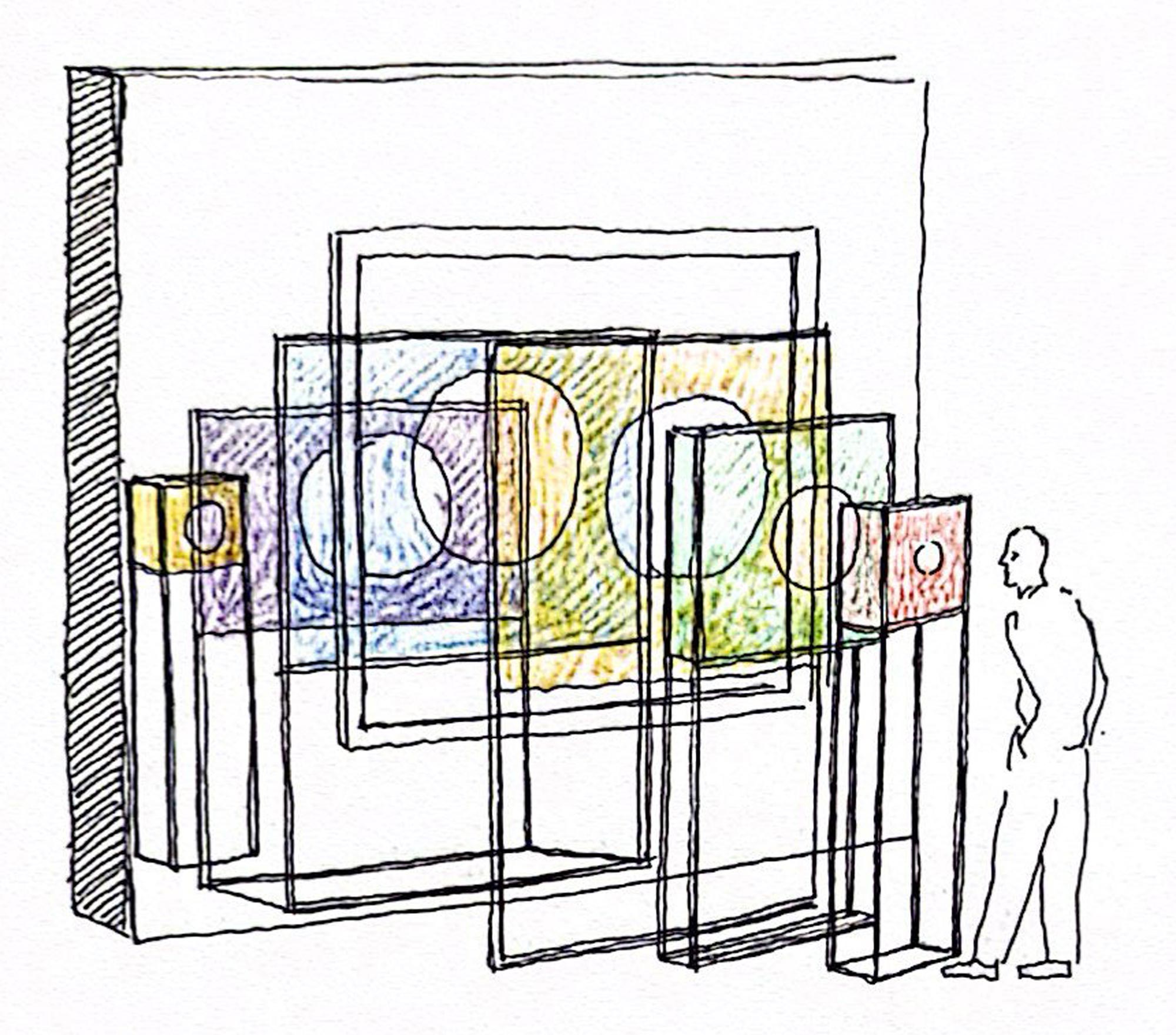
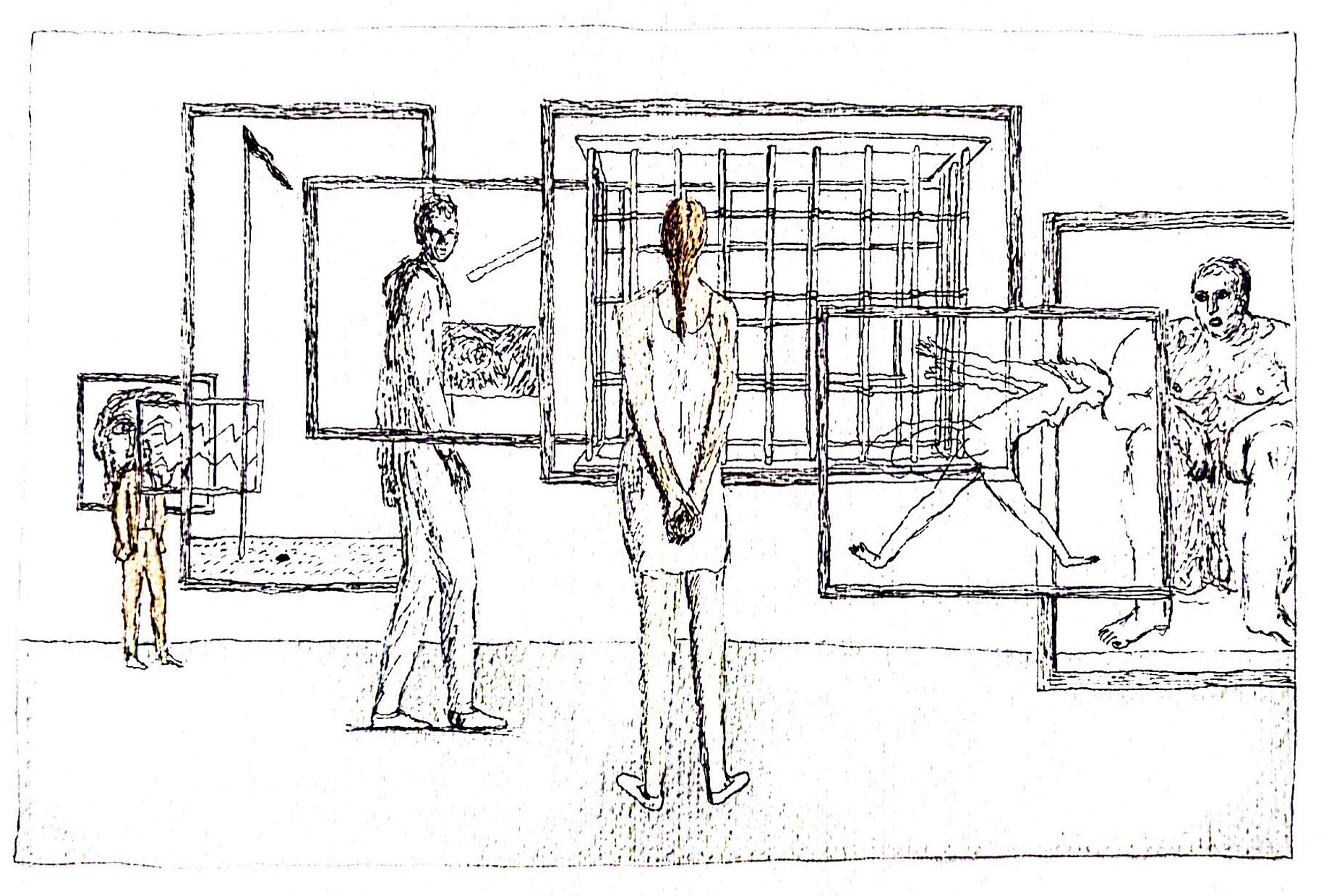
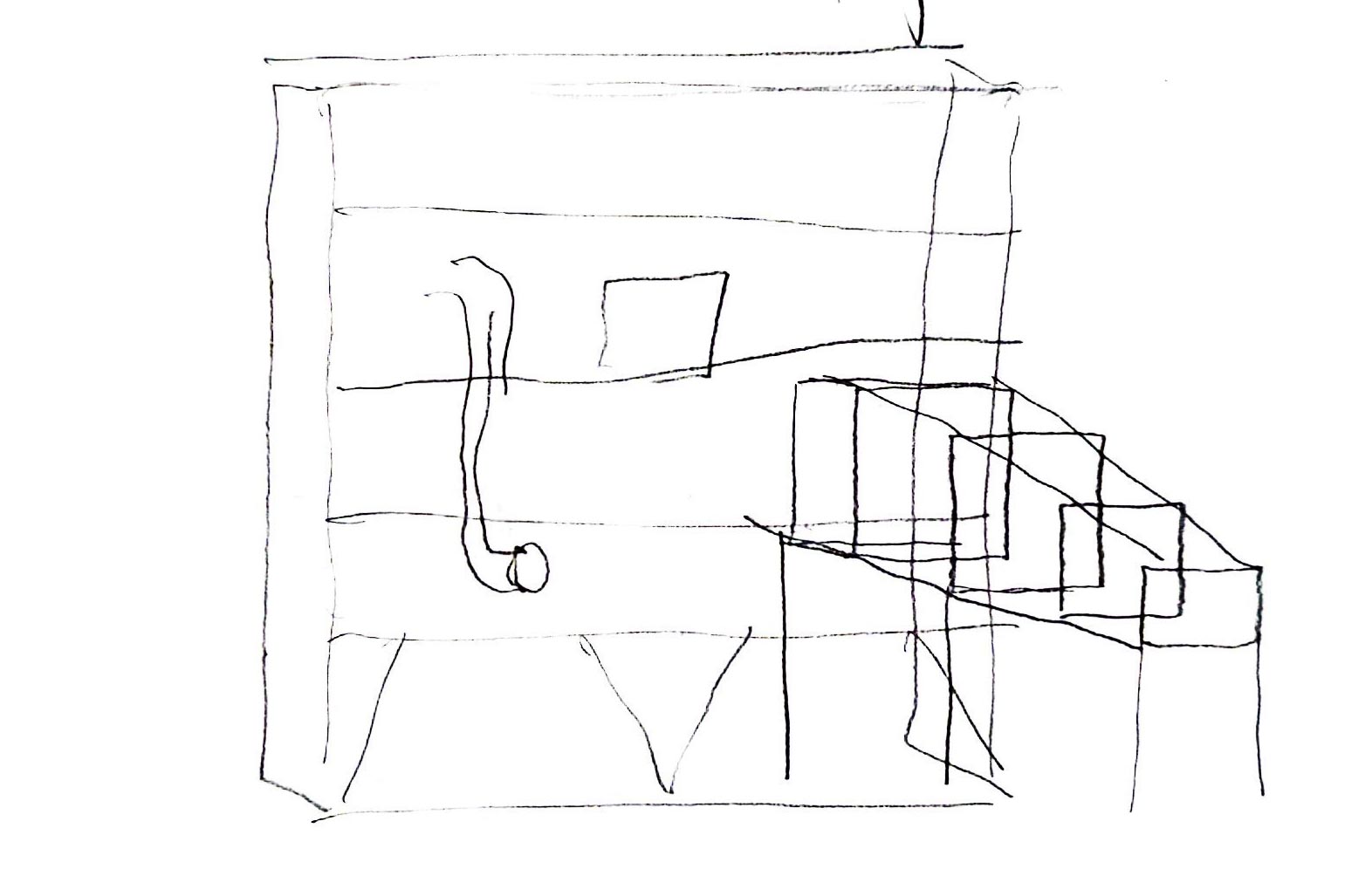
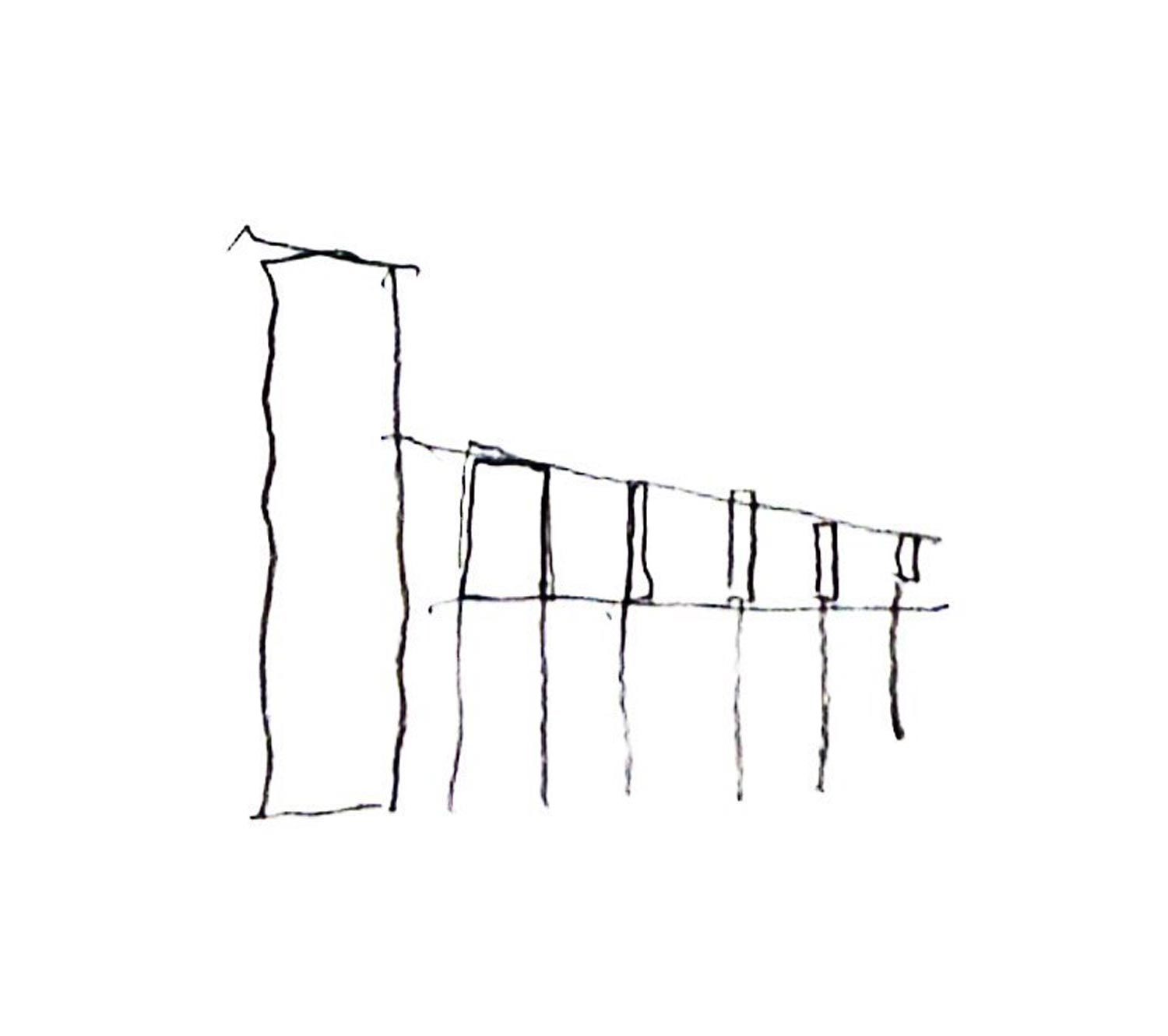
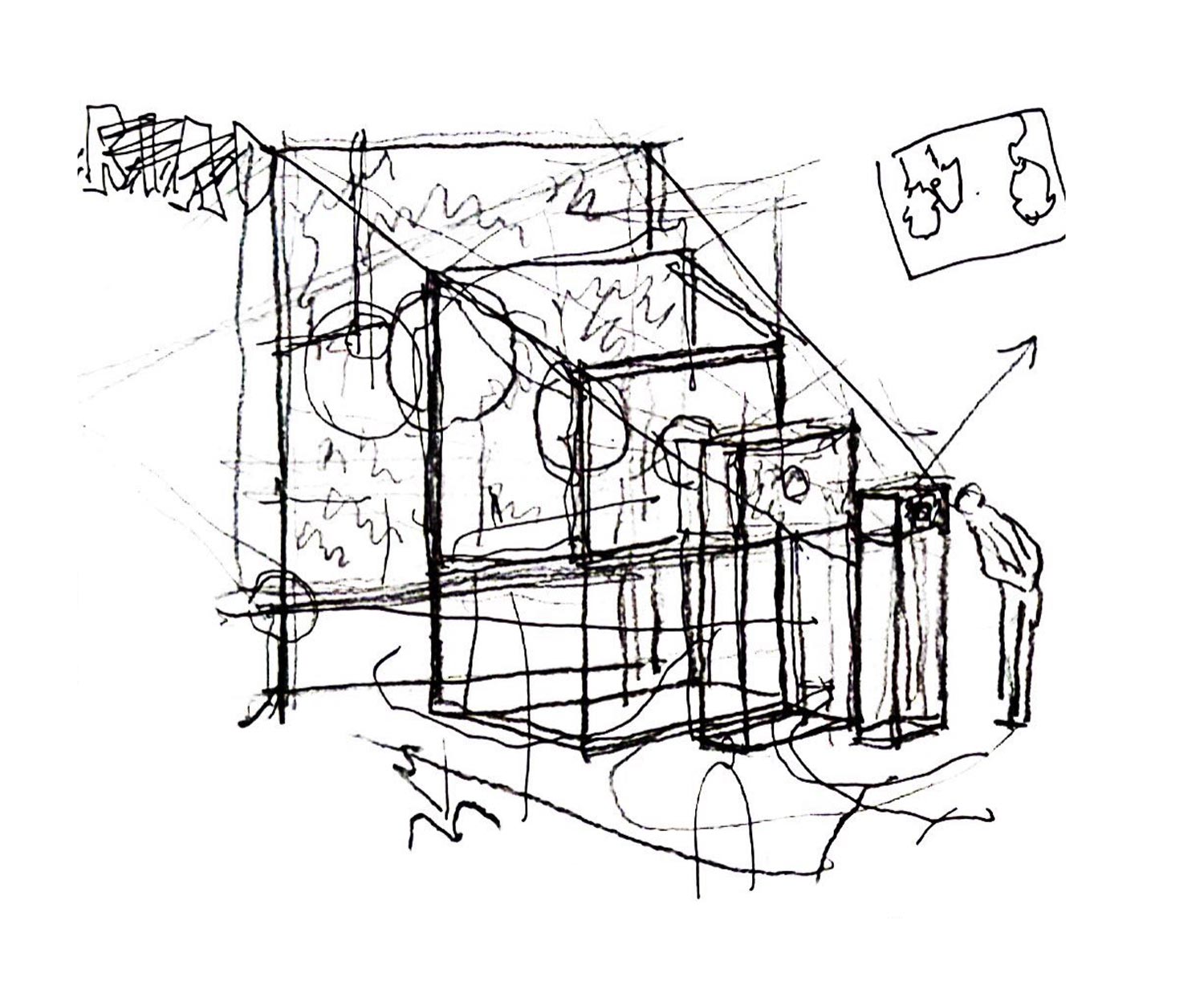
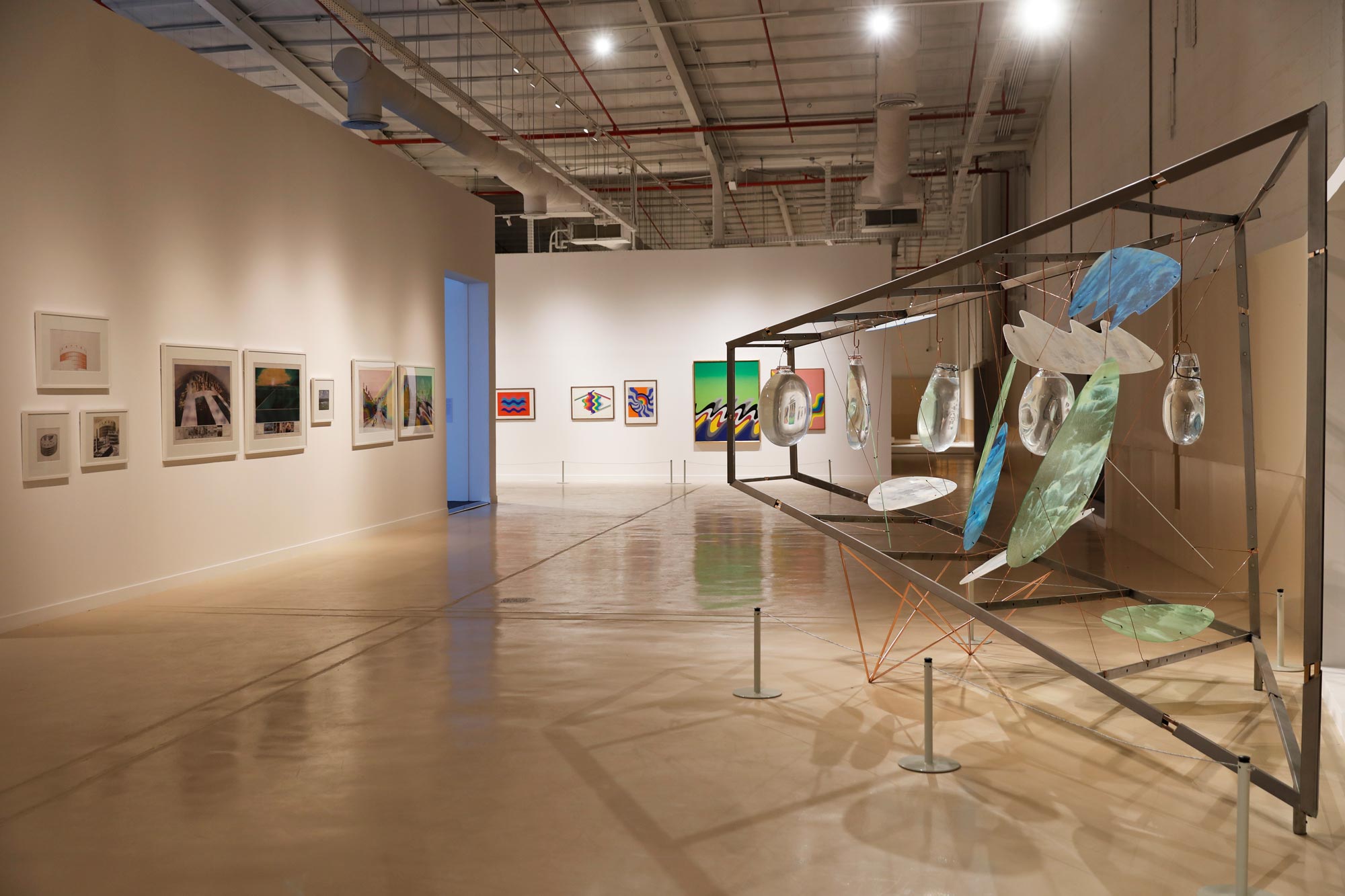
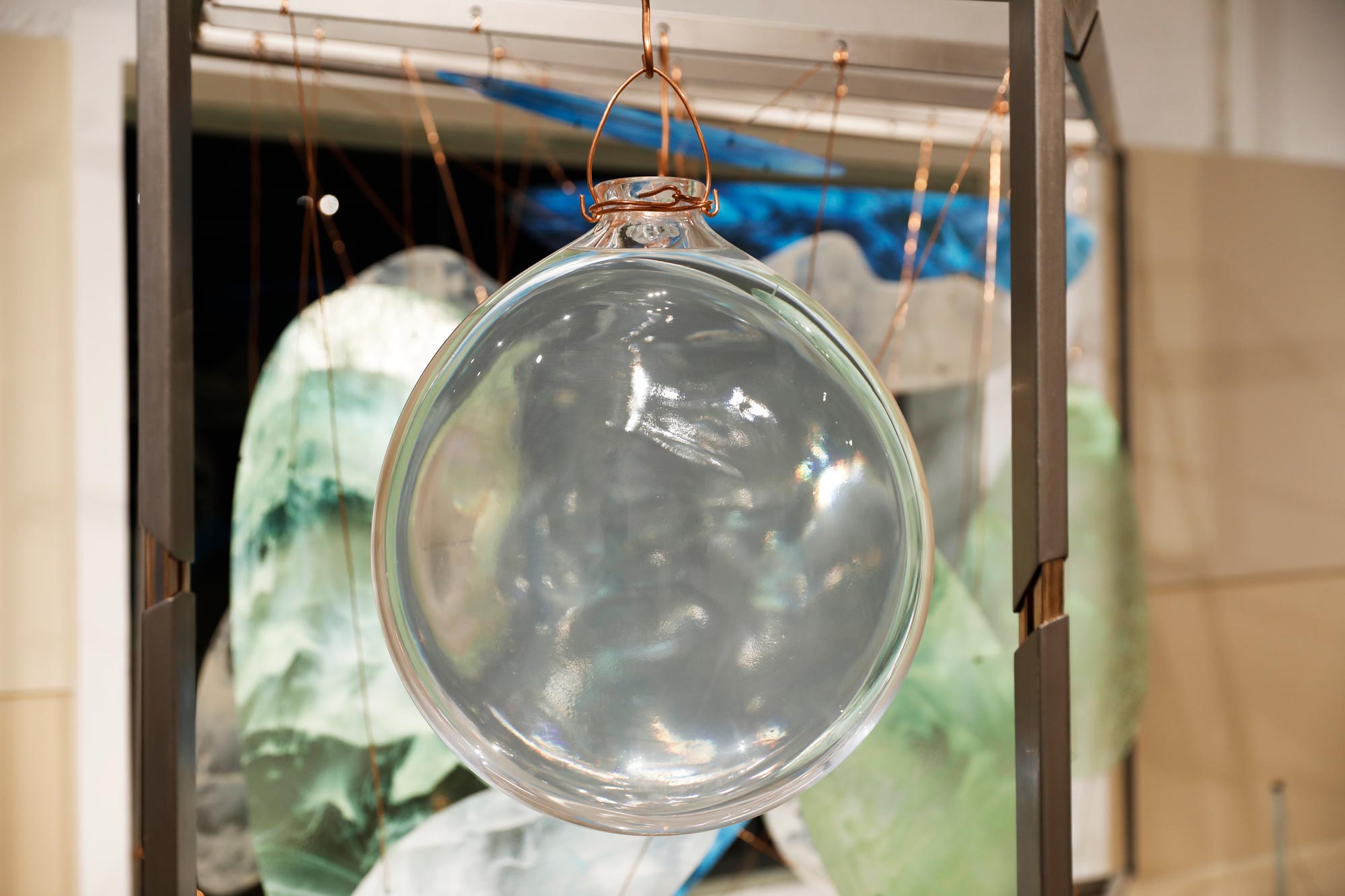
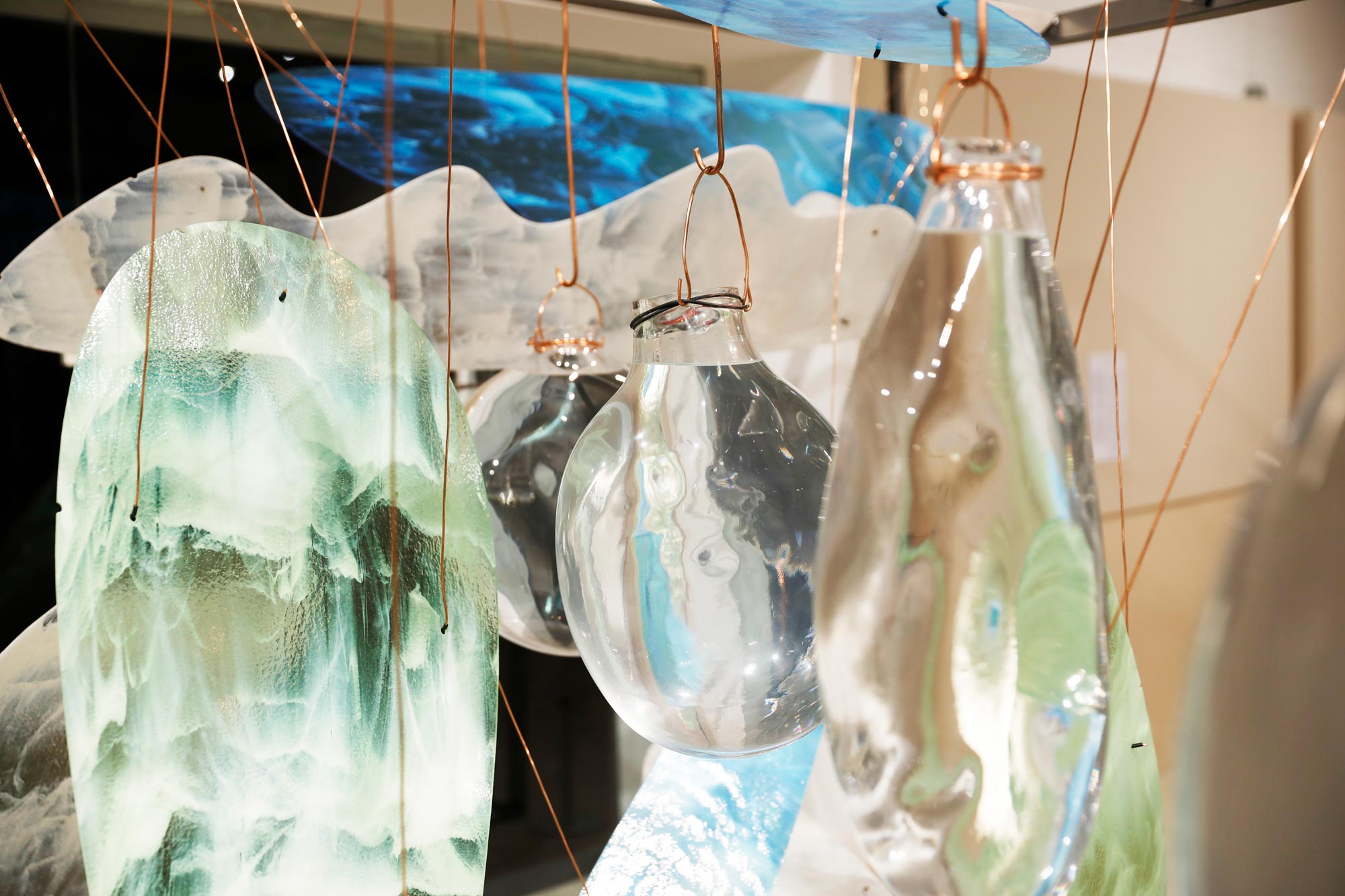
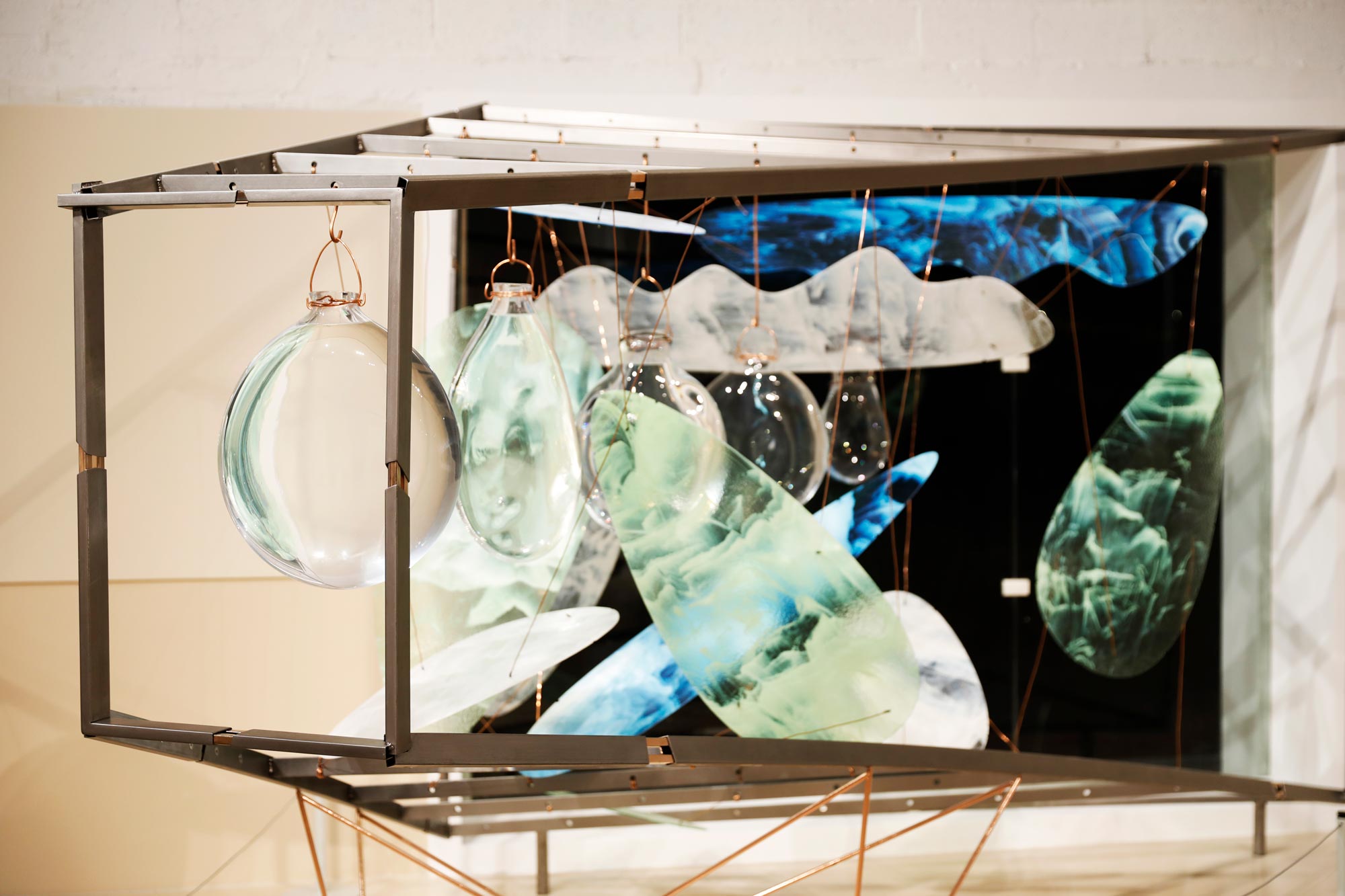
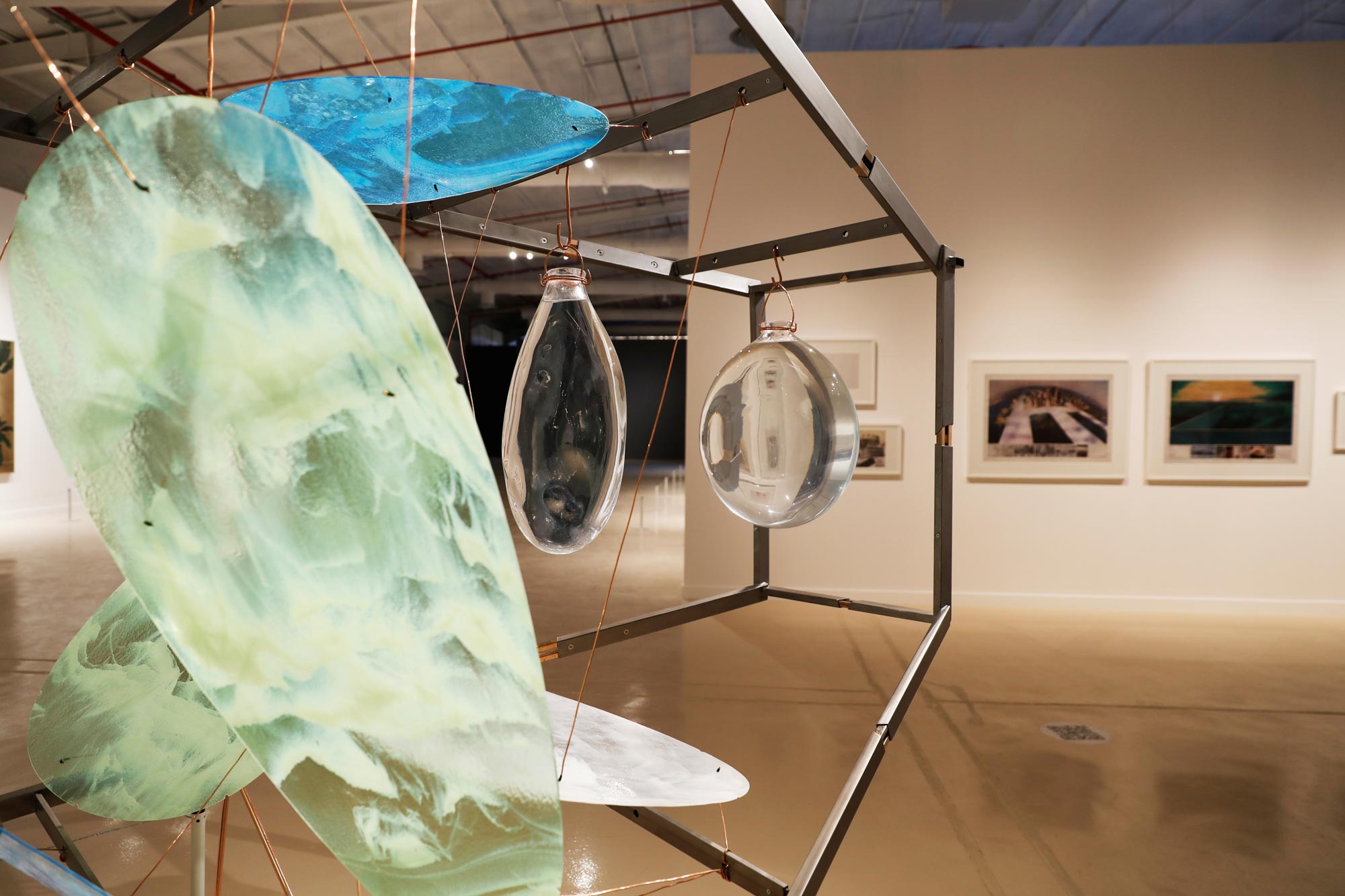
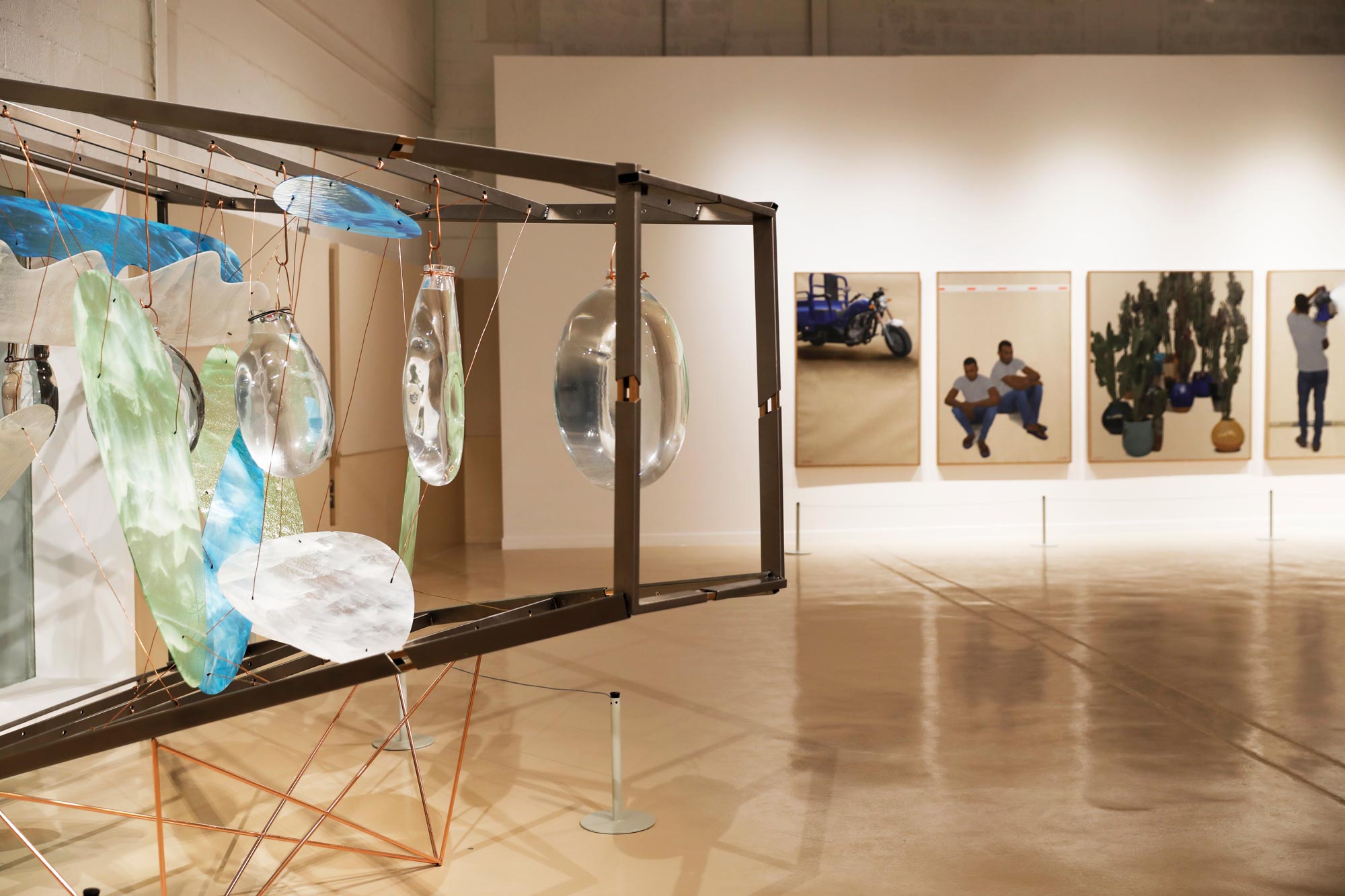
The installation is composed of a series of custom optical elements precisely aligned within a steel framework. Handcrafted Murano glass lenses, produced by skilled artisans in Italy, establish a dialogue between traditional craftsmanship and contemporary design. Rather than operating as a singular viewing device, the work functions as a deconstructed telescope, fragmenting and multiplying perspectives to create a layered and immersive visual experience. Its optical performance is heightened by shifting light conditions, revealing its full visual complexity during the golden hour at sunset, when light penetrates and refracts through the glass elements.
Positioned within the Diriyah Biennale building along a wadi and oriented toward a dramatic cliff landscape, the installation establishes a strong dialogue between interior exhibition space and the exterior environment. Its kaleidoscopic visual effects contrast with the apparent stillness of the surrounding landscape, emphasizing tensions between movement and stasis, as well as proximity and distance.
Ultimately, Through the Looking Glass establishes a contemplative interface between architecture, environment, and observer. By engaging dualities such as self and other, interior and exterior, and present and future, the installation reinforces the potential of art and architecture to reshape how we see, experience, and understand the spaces we inhabit.